Poa Annua & Poa Trivialis Control for Richmond, VA Lawns
Two strategically timed treatments to suppress annual bluegrass and rough bluegrass before they crowd out your fescue — reducing patchy color differences and helping your desirable turf thicken.
- •2-treatment program timed to peak Poa activity windows
- •Targets both Poa annua (annual bluegrass) and Poa trivialis (rough bluegrass)
- •Reduces spread and limits seed production for long-term control
- •Designed specifically for cool-season fescue lawns in central Virginia

Is Poa Annua or Poa Trivialis Taking Over Your Lawn?
If you're noticing light green, patchy areas in your fescue lawn during fall and winter — especially along driveways, sidewalks, and shaded spots — you're likely looking at Poa annua or Poa trivialis. These invasive grassy weeds are among the most common and frustrating turf problems for Richmond-area homeowners, and they're easy to overlook until they've already spread.

It Blends In — Until It Doesn't
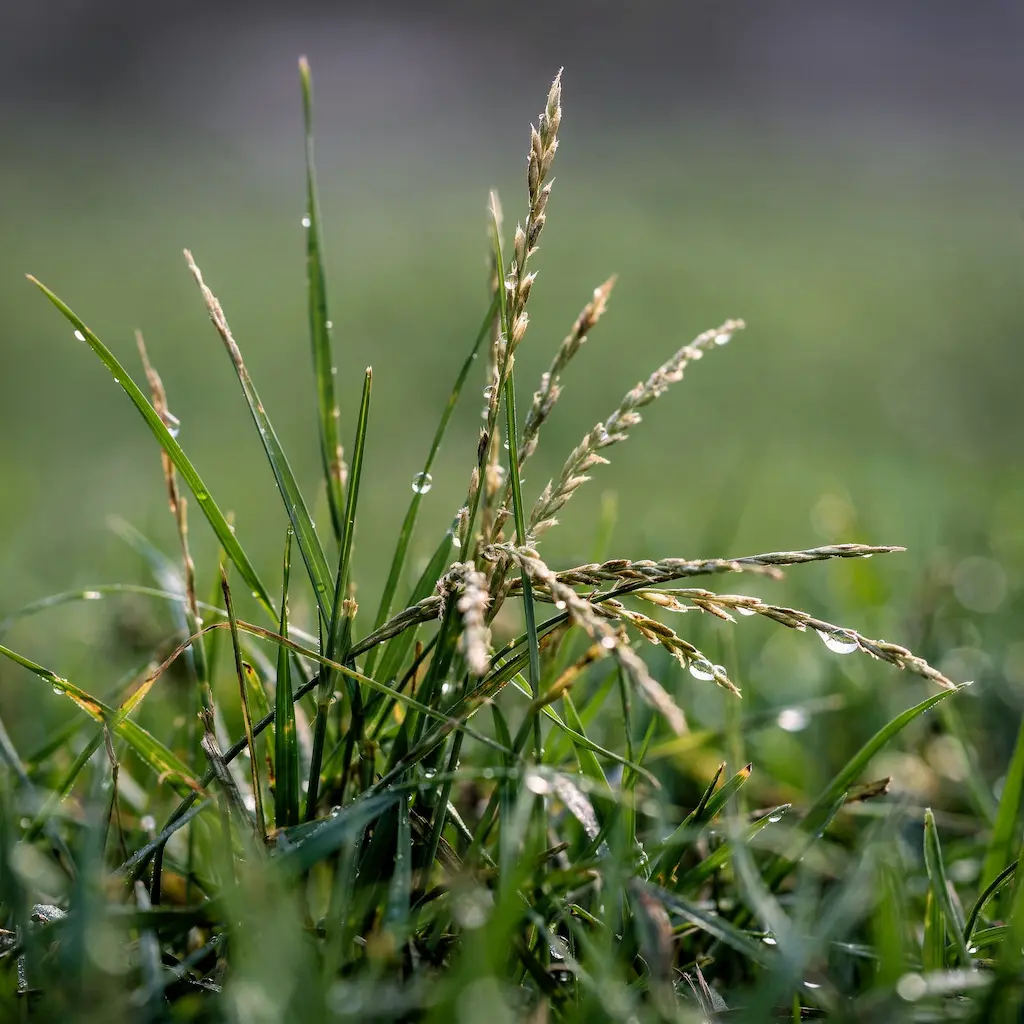
Poa annua and Poa trivialis are both grasses, not broadleaf weeds — so they blend into your lawn at first glance. But their lighter color, finer texture, and clumpy growth habit create an uneven, patchy appearance that stands out against darker fescue turf.
It Germinates When Fescue Is Most Vulnerable
Both Poa varieties germinate in fall — the same window when your fescue is trying to establish after aeration and overseeding. Poa competes aggressively with new fescue seedlings for space, water, and nutrients, often crowding them out entirely.
It Produces an Enormous Amount of Seed
Poa annua is one of the most prolific seed producers of any turf weed. Those seeds can remain dormant in your soil for years, germinating when conditions are right. Even one season of unchecked growth can build a seed bank that causes recurring outbreaks for years.
It Dies in Summer — Leaves Bare Spots
Poa thrives in cool weather but dies off when summer heat arrives, leaving bare patches throughout your lawn. Because fescue doesn't spread laterally to fill gaps, those bare spots remain until fall reseeding — at which point new Poa is likely to germinate and restart the cycle.
Central Virginia sits in the transition zone, where temperature swings between seasons create ideal conditions for Poa to establish. Left unmanaged, it creates a frustrating cycle of invasion, die-off, bare spots, and re-invasion that gets worse each year.
What the Poa Suppression Program Includes
Our 2-treatment program is strategically timed to target Poa annua and Poa trivialis during their most vulnerable growth stages. The goal is to suppress germination, reduce existing populations, and limit seed production — breaking the cycle that causes recurring outbreaks season after season.
Treatment areas covered:
- Lawn areas with visible Poa annua or Poa trivialis growth
- High-risk zones: edges along driveways, sidewalks, and shaded areas
- Areas where Poa has historically competed with fall fescue seeding

Treatment 1 — Fall Application During Active Germination
The first treatment is timed to target Poa as it germinates and begins establishing in your lawn. Timing is critical — applying too early misses the germination window, too late allows plants to establish. We monitor local conditions to hit the right window for the Richmond area.
Treatment 2 — Follow-Up Application 3–4 Weeks Later
The second treatment targets surviving plants, further suppressing growth and disrupting seed head development. You may notice yellowing of Poa plants following this application — that's a sign the treatment is working. By reducing the amount of seed Poa produces, this application helps limit future infestations.
Why Suppression, Not Eradication
Poa annua and Poa trivialis are in the bluegrass family, which limits the herbicide options that can target them without damaging your fescue. Complete elimination in a single season isn't realistic — dormant seeds can persist for years. But consistent suppression year over year significantly reduces Poa populations and gives your fescue the competitive advantage it needs to thicken and dominate.
A note on expectations: Most customers see a noticeable reduction in Poa presence after the first season of treatment. Results compound over time — each year of suppression reduces the seed bank in your soil, which means less Poa germination the following fall. This is a program that rewards consistency.
How the Program Works, Fall by Fall
Two fall treatments are the core of the program — but the real results compound year over year as the seed bank in your soil shrinks.
Fall Application at Active Germination
We monitor local conditions to hit the window when Poa is germinating but hasn't yet established. Applied too early and the treatment misses the seeds; too late and the plants already have a foothold. Richmond's fall weather varies year to year, so we watch for the right cue rather than applying on a fixed calendar date.
Follow-Up 3–4 Weeks Later
The second treatment targets surviving plants and disrupts seed head development. Poa plants typically yellow in the days following — that visible response is the treatment doing its job. Reducing seed production here is what limits the size of next year's outbreak.
Year-Over-Year Suppression
Poa seeds can persist in soil for years, so a single season of treatment doesn't clear the seed bank. Each annual cycle of suppression reduces the germination pressure the next fall, and over two to three seasons most lawns see a dramatic drop in visible Poa.
Why Consistent Poa Suppression Matters in the Transition Zone
Central Virginia sits in the transition zone — the narrow strip of the country where neither cool-season nor warm-season grasses have a clear advantage. That's great news for homeowners who want fescue; it's also ideal weather for Poa annua and Poa trivialis to establish, spread, and rebuild their seed bank year after year.
Unlike broadleaf weeds that are easy to spot and easier to treat, Poa is a grass — so it blends in until the color contrast becomes obvious. By that point it's already producing seed. And because fescue doesn't spread laterally, every bare spot left when Poa dies off in summer is still there waiting when the next germination window opens in fall.
Two well-timed treatments per fall break that cycle. The first suppresses germination, the second disrupts seed production, and together they drain the seed bank a little more each year. Most lawns see a clear improvement in the first season and a substantial difference after two or three — the kind of compounding result that one-off treatments simply can't produce.
For homeowners already on the GC Soil Builder program, Poa suppression layers on top of the nutrition and weed control you're already getting. A thicker, healthier fescue stand is the long-term answer to grassy weed pressure, and these programs are designed to build exactly that.

Services That Support Poa Suppression


Aeration & Overseeding

Bermuda Suppression Program
Common Questions About Poa Annua & Trivialis Suppression
Poa Annua & Poa Trivialis Control Throughout the Richmond Area
Our Poa Suppression Program is available to homeowners across the greater Richmond region. For poa annua control in Richmond, VA and surrounding counties, we serve the communities below and more.
Service Areas:
Don't see your area?
Call us at (804) 795-5564 to check if we serve your location.

Ready to Get Poa Under Control?
If light green patches keep showing up every fall — and bare spots follow every summer — this is the program designed to break that cycle. Questions first? Call us at (804) 795-5564 — we're happy to talk through your situation before you commit to anything.