5 Star Rating
244+ REVIEWS

Bermuda Grass Control in Richmond, VA

A 4-visit suppression program designed for fescue lawns in Virginia's transition zone — reducing Bermuda's spread at every growth stage without the aggressive treatments that damage your desirable turf.

  • Built for Richmond's transition zone climate where Bermuda thrives in fescue lawns
  • 4 strategically timed visits from late spring through late summer
  • Targets both surface runners and underground root spread
  • Gradual suppression that compounds results season over season
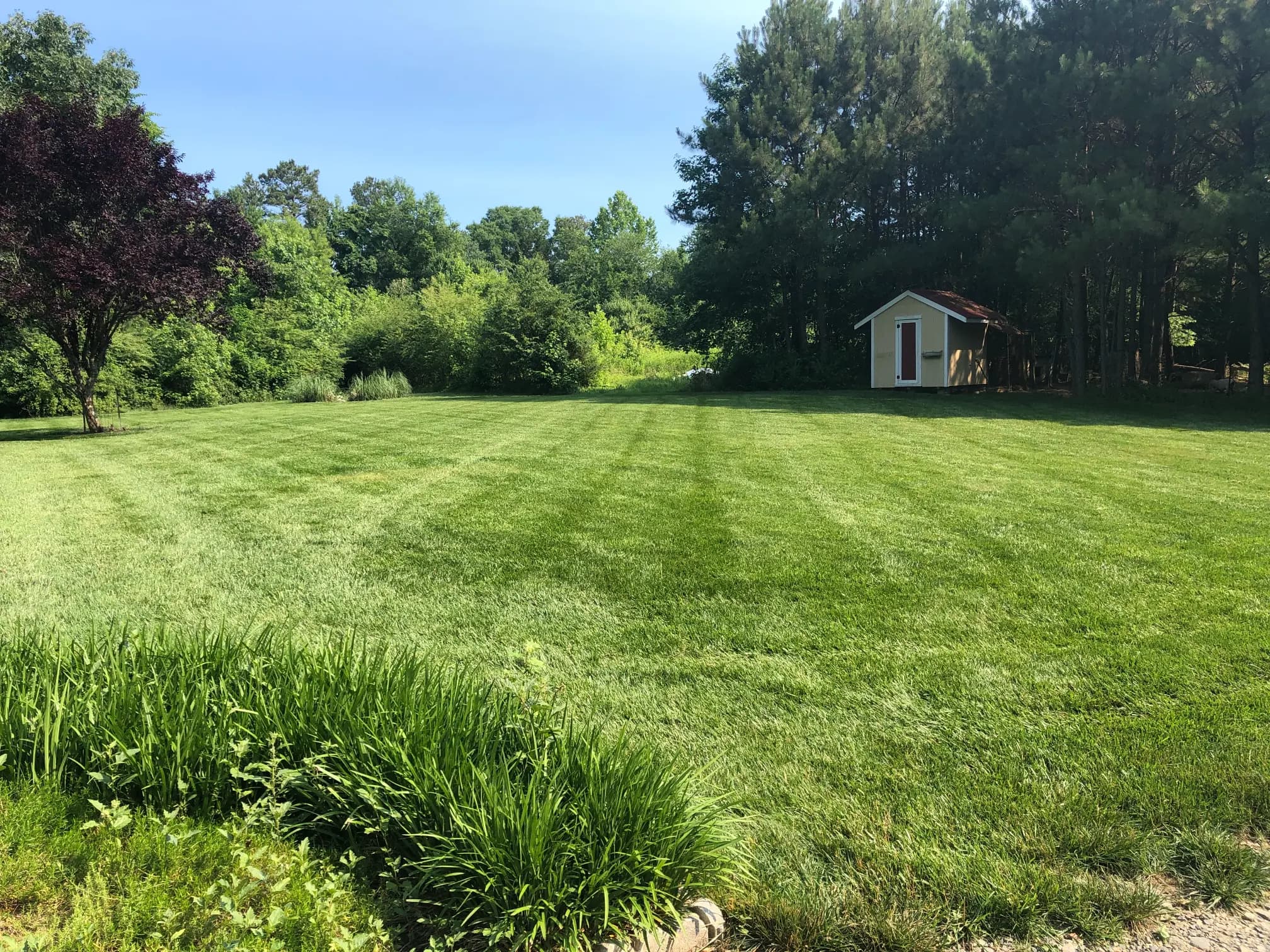
Bermuda grass suppression program for Richmond VA fescue lawns

Why Bermuda Grass Is Such a Stubborn Problem in Richmond Lawns

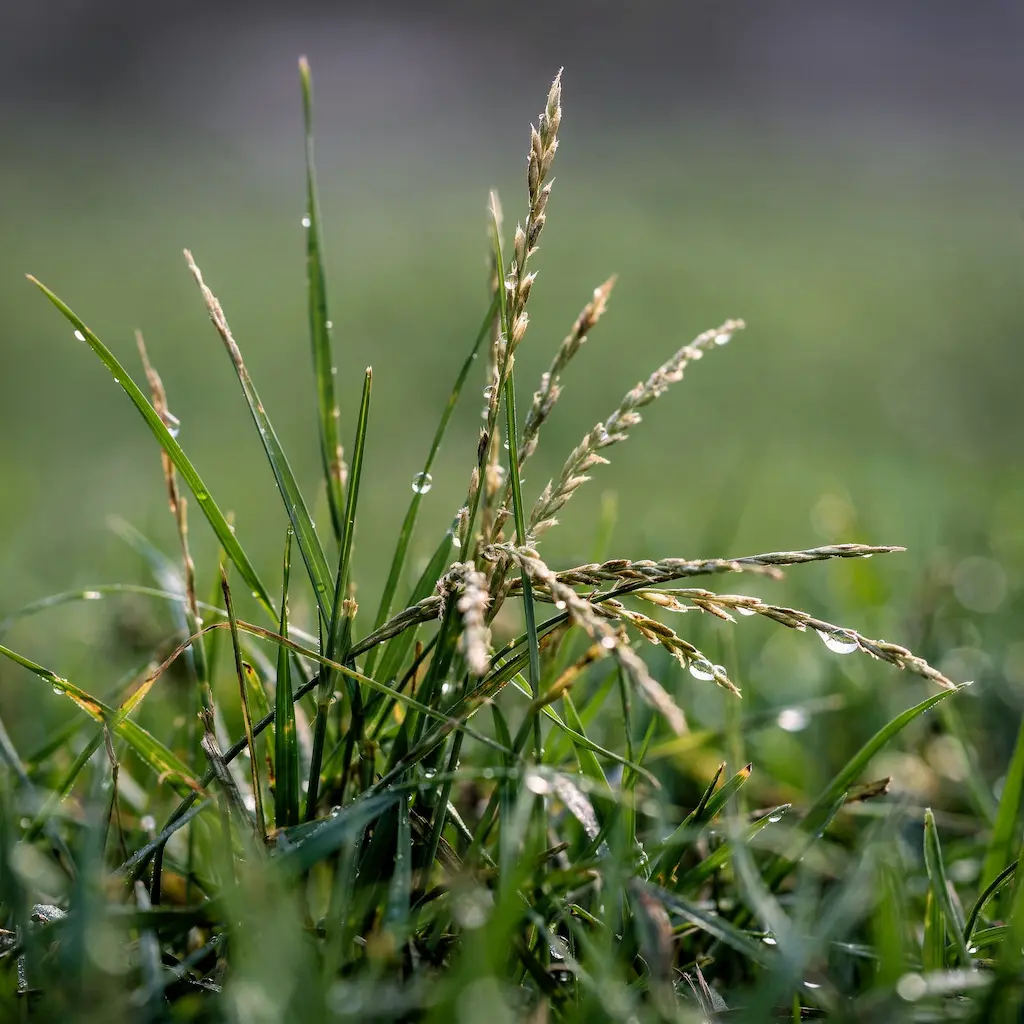
Bermuda grass closeup - invasive grass in fescue lawns Richmond VA

Richmond sits in Virginia's transition zone — a climate too hot and humid for cool-season grasses to thrive through summer, yet too cold for warm-season grasses to survive winter. It's the perfect environment for Bermuda grass, which is why it shows up to some degree in nearly every full-sun fescue lawn in Central Virginia.

What makes it so difficult to control is how it moves. Bermuda spreads both above ground through stolons — visible surface runners — and below ground through rhizomes you can't see. Every visible patch is larger than it appears. And unlike most lawn weeds, Bermuda doesn't plateau on its own. Left untreated, it expands its footprint every season, gaining the most ground in July and August when your fescue is heat-stressed and least able to compete.

Why We Suppress Instead of Eradicate

Total eradication of Bermuda grass from an established fescue lawn isn't a realistic goal — not because it's technically impossible, but because achieving it would require treatment intensity that damages the cool-season fescue you're trying to protect.

This program suppresses and reduces Bermuda, not eliminates it completely. Four strategically timed treatments apply targeted pressure at the points in Bermuda's growth cycle where it's most vulnerable — reducing its presence, slowing its spread, and giving your fescue room to fill back in naturally. Our gradual approach creates healthier, more uniform lawns over time.

What to realistically expect:

Most customers notice reduced Bermuda activity by late summer in year one. The most visible improvement comes in fall, when thinned areas allow fescue to reclaim ground during its active growth season. Results compound meaningfully in year two and beyond — consistent annual treatment is what produces the best long-term results.

How the Bermuda Suppression Program Works

Each visit is timed to a specific phase of Bermuda's growth cycle — not placed on a calendar date. The sequence matters because each treatment builds on the last. Exact scheduling shifts slightly based on seasonal conditions, but the growth-stage targeting stays consistent.

1

Late Spring

Bermuda begins active growth

The first treatment intercepts Bermuda as it wakes from dormancy and begins sending out new runners. Early intervention disrupts growth momentum before it builds — establishing control when Bermuda is most susceptible.

2

Early Summer

Bermuda accelerates into peak growth

A follow-up treatment as Bermuda shifts into its most active growth phase. This visit reinforces early-season control and prevents runners from spreading into new lawn areas before mid-summer.

3

Mid Summer

Peak Bermuda growth — highest priority visit

The most critical treatment in the program. Bermuda is at full growth velocity in July and August. Applying suppression pressure at peak activity is what determines how much ground Bermuda loses heading into fall.

4

Late Summer

Before Bermuda goes dormant

A final treatment as Bermuda begins slowing ahead of fall dormancy. This visit locks in the season's suppression progress and sets up the best conditions for fall — when fescue enters its most active recovery period.

Timing is adjusted annually based on actual seasonal conditions. We'll communicate before each visit so you know what to expect.

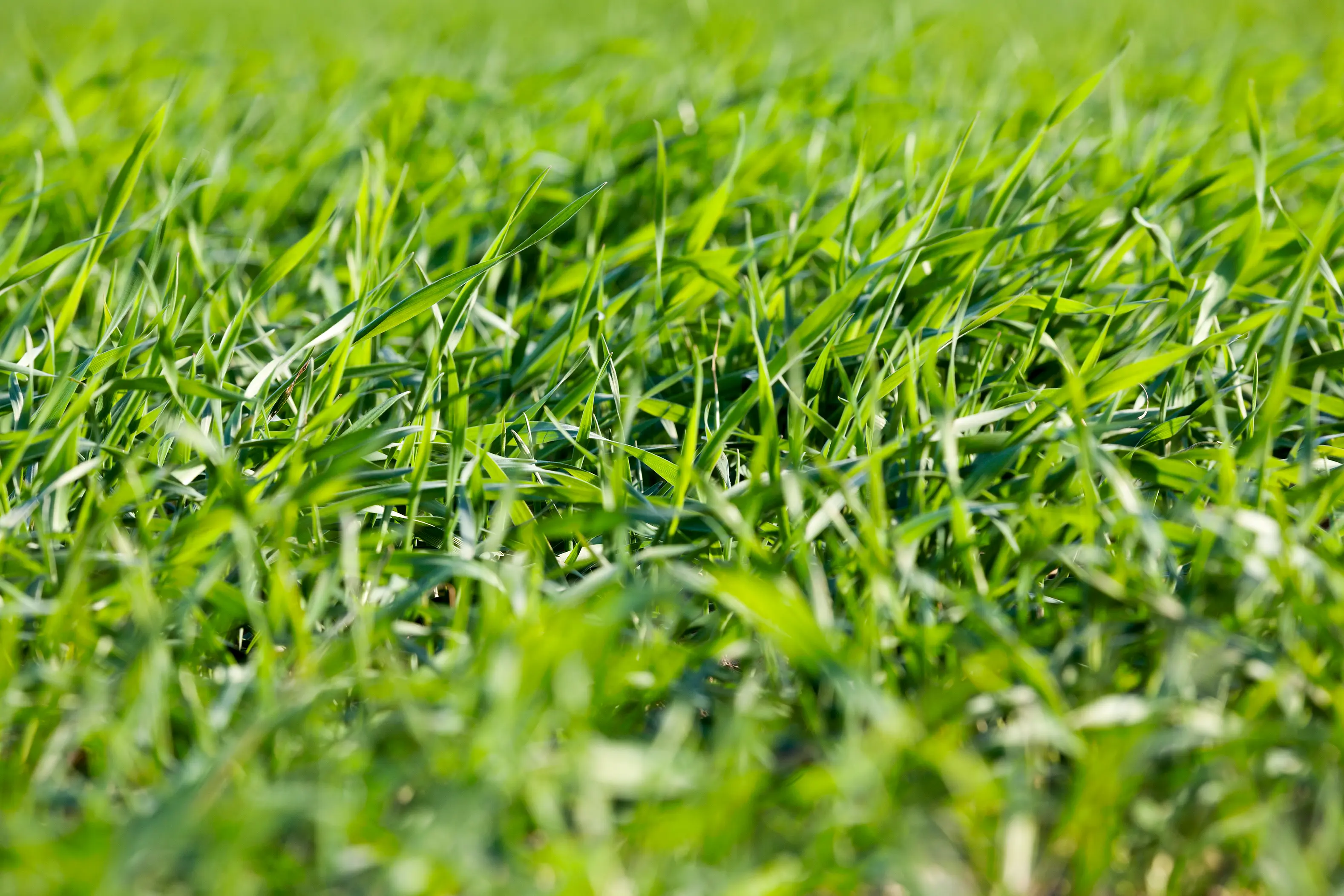
Young grass plants background

Services That Work Alongside Bermuda Control

GC Soil Builder Program

GC Soil Builder Program

The suppression program is designed to run alongside your base lawn care program. A healthier, better-nourished fescue stand fills in more aggressively as Bermuda thins — the two programs reinforce each other throughout the season.
Learn more about the GC Soil Builder Program
Aeration & Overseeding

Aeration & Overseeding

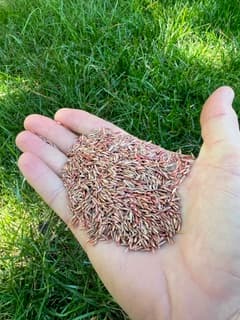
Fall aeration and overseeding pairs naturally with a season of Bermuda suppression. Suppression creates thinned areas; overseeding fills those spaces with fresh fescue before Bermuda can reestablish in spring. The combination directly amplifies both results.
Learn more about Aeration & Overseeding
Poa Annua & Poa Trivialis Suppression

Poa Annua & Poa Trivialis Suppression

Dealing with multiple grassy weed problems? Bermuda tends to dominate sunny areas while Poa takes hold in shadier or wetter spots. Both programs can run in the same season — we'll identify what you're dealing with and recommend accordingly.
Learn more about Poa Suppression

Common Questions About Bermuda Grass Control

Bermuda Grass Suppression Serving Greater Richmond, VA

We provide Bermuda grass control and suppression services throughout the Richmond metro area. If you're in the transition zone with Bermuda spreading through your fescue lawn, we can help. For Bermuda grass control in Richmond, VA, we serve the communities below and more.

Service Areas:

Richmond
Henrico
Chesterfield
New Kent
Glen Allen
Mechanicsville
Midlothian
Quinton

Don't see your area?

Call us at (804) 795-5564 to check if we serve your location.

Ready to Get Bermuda Grass Under Control?

If Bermuda has been spreading through your fescue lawn and getting worse each summer, this is the right time to address it. Reach out for a quote — tell us what you're seeing and we'll assess your lawn before recommending anything. Prefer to talk it through first? Call us at (804) 795-5564 — no pressure, just answers.