Fall Is the Best Time to Aerate and Overseed in Richmond — Here's Why
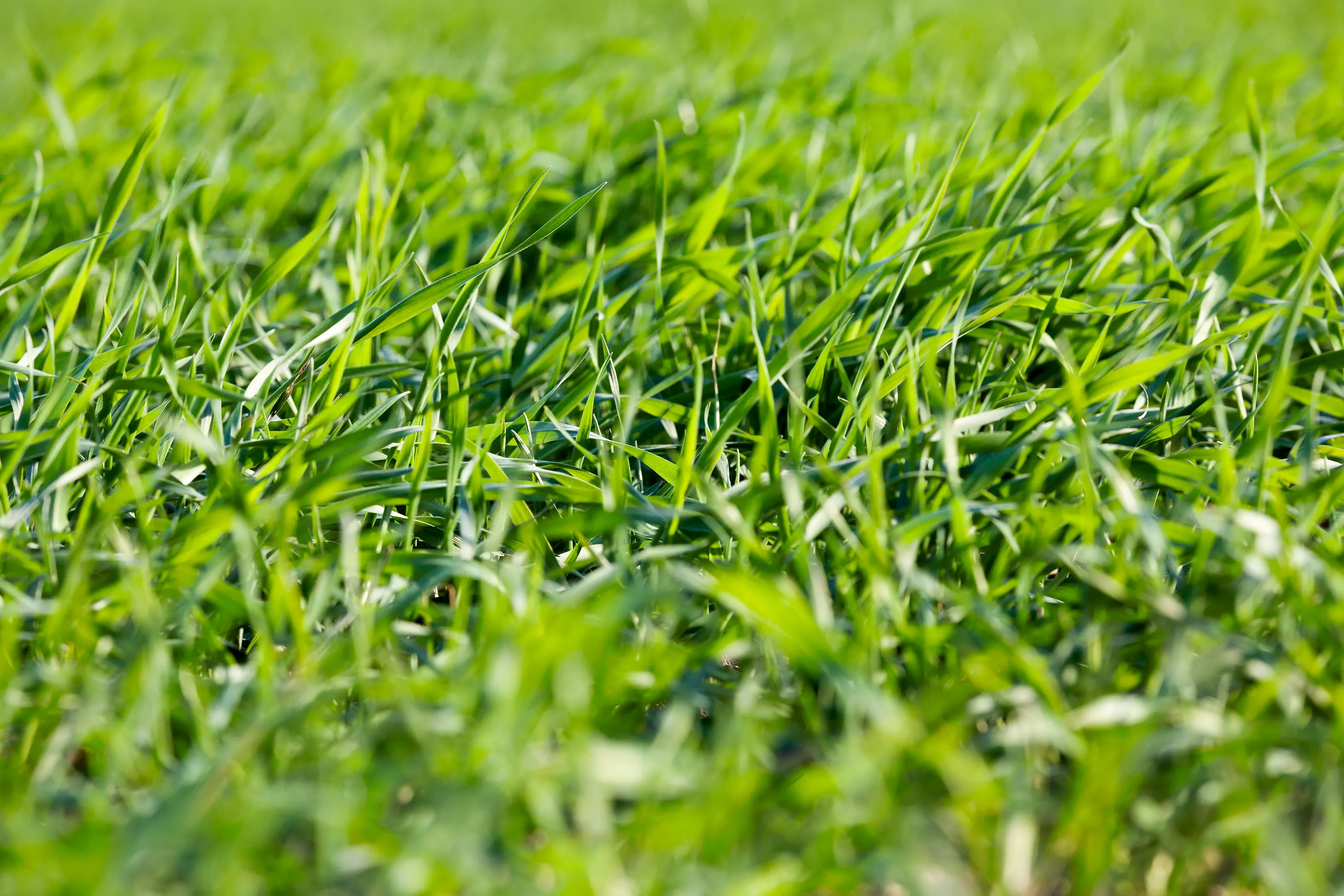
Every spring, we get calls from Richmond homeowners who want to thicken up a thin lawn. And every spring, we have the same honest conversation: you can overseed in spring, but if you want the best odds of a thick, lasting tall fescue lawn, fall is when to do it. Not sort of better — meaningfully better. Here’s the reasoning, and how to get it right.
Why fall wins for tall fescue
Tall fescue — the grass in most central Virginia lawns — is a cool-season grass. It grows best when air temperatures are mild and soil is still warm, which describes early fall in Richmond almost perfectly. Virginia Cooperative Extension recommends late summer through early fall as the prime window for establishing cool-season turf here, and the reasons line up neatly:
- Warm soil, cool air. By September, the ground has stored a summer’s worth of heat, so seed germinates quickly — while cooler air means seedlings aren’t scorched the way they are in June.
- Far less weed competition. Crabgrass and most summer annual weeds are finishing their cycle in fall, not starting it. Spring overseeding means your new grass races a wave of weeds that germinate at the same time; fall seeding doesn’t.
- Time to root before stress. Fall seedlings get mild weather through autumn, then a dormant winter to settle in, then a full spring of growth — all before they ever face a Richmond July. Spring seedlings get a few weeks before the heat hits.
Put simply: fall gives young grass the longest runway before its first real test.
Why aeration comes first — especially on clay
Overseeding onto hard ground is the most common way to waste good seed. Central Virginia’s clay compacts over the season under foot traffic, mowing, and rain, and compacted clay does two things that kill new grass: it blocks roots from pushing down, and it sheds water instead of absorbing it. Seed sitting on top of hard clay either washes away or dries out.
Core aeration fixes this. A machine pulls thousands of small plugs of soil out of the lawn, which does three useful things at once: it opens channels so water, air, and nutrients reach the root zone; it relieves the compaction that’s been choking existing roots; and it creates perfect seed-to-soil contact, because seed falls into the holes rather than lying on the surface. That’s why we always pair the two — aeration prepares the ground, overseeding fills it in. (We wrote more about what aeration specifically does for Richmond’s clay here.)
Seed matters more than most people think
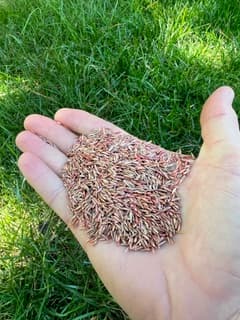
Not all grass seed is equal, and this is where a lot of fall overseeding projects quietly underperform. Bargain seed is often padded with filler and weed seed, and untreated seed has to fend for itself in tough soil. We use a Blue Tag Certified 4-fescue blend treated with GroSMART technology, which is designed to germinate faster and establish with less water — exactly the advantages you want when you’re seeding into a warm, dry early-fall stretch. The full breakdown is in this post.
The part homeowners get wrong: watering
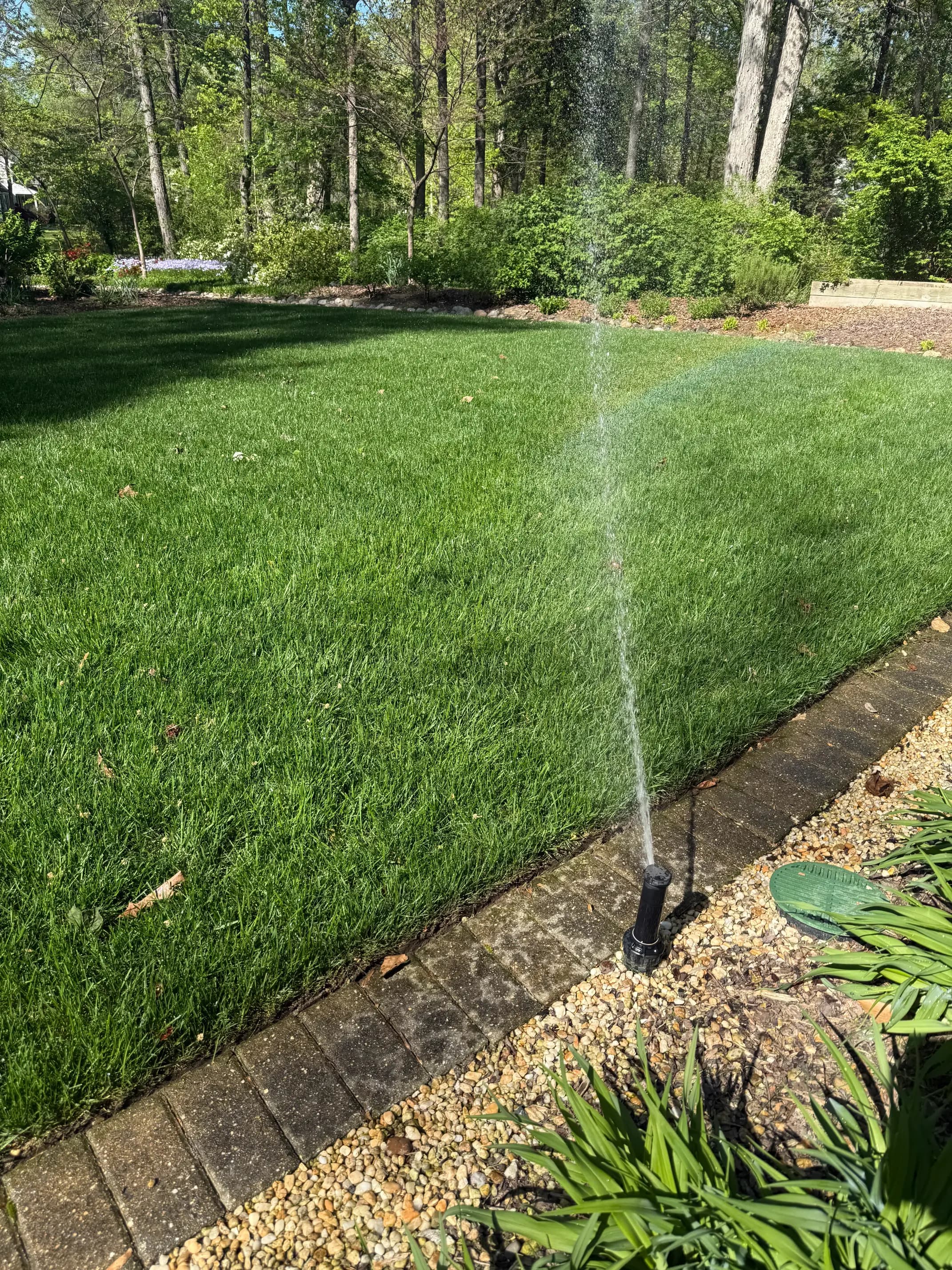
Aeration and seed set the stage. Watering decides the outcome. New seed needs to stay consistently moist — not soaked, moist — until it germinates and roots. In practice that typically means light, frequent watering (often daily, sometimes twice on hot days) for the first couple of weeks, then gradually shifting to deeper, less frequent watering as the grass establishes. Let the seedbed dry out in that first stretch and the seed simply dies; drown it and you wash it into clumps. If you have an irrigation system, this is the moment to make sure every zone is actually hitting the seeded areas.
Mow high, go easy
Once the new grass is up, keep mowing at four inches or higher — taller fescue shades the soil, holds moisture, and crowds out weeds. Hold off on the first mow until the new grass is tall enough to cut without yanking it, and keep foot traffic light while it roots in.
Don’t wait too long
The fall window is real, but it closes. Seed needs time to germinate and root before the first hard freezes, so seeding too late in the season leaves young grass unprepared for winter. If your lawn needs thickening, the time to act is now rather than “after the leaves.”
How we do it
Our aeration and seeding service pairs core aeration with our GroSMART-treated fescue blend, timed to Richmond’s fall window. And because results start underground, every program begins with a $69 soil test — so we’re seeding into soil we actually understand. Enter your address for an instant quote, and let’s make this the fall your lawn finally fills in. For the full season context, see our 9-round treatment timeline.
Ready for a Healthier, Greener Lawn?
Get a free quote and we'll build a season-by-season plan tailored to your lawn, your soil, and the Richmond climate.
.webp&w=3840&q=75&dpl=dpl_578BGvK1rgyLyTeMSvA92566FwL3)